
Cultural influences shaping the world of gambling today
The Evolution of Gambling Practices
Gambling has a long-standing history, tracing back to ancient civilizations where games of chance were often intertwined with cultural rituals. In many societies, these activities were not only forms of entertainment but also held significant meaning within their cultural contexts. For instance, ancient Chinese culture utilized dice and betting games as a form of divination, while the Romans incorporated betting into their lavish festivities. As these practices evolved, they adapted to the values and morals of each culture, leading to a diverse landscape of gambling traditions. Today, platforms like mafia casino provide modern takes on these historical practices.
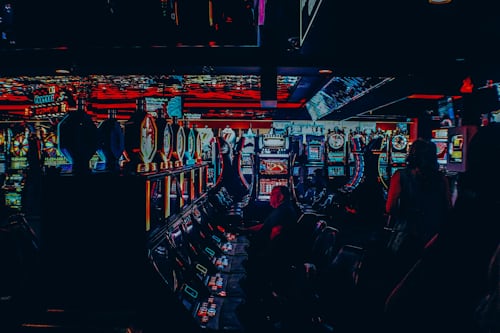
With the advent of globalization, gambling practices have transcended borders, leading to a blend of traditions that reflect a mix of cultural influences. Countries such as Macau and Las Vegas have emerged as premier gambling destinations, attracting tourists worldwide who seek different cultural experiences. These locations exemplify how local customs, architectural styles, and entertainment choices are woven into the fabric of gambling, enhancing the overall experience for players. The juxtaposition of local and global influences has created a rich tapestry of gambling practices today.
In modern society, technological advances have further influenced gambling practices. Online platforms have revolutionized how people engage with gambling, allowing access to a broader array of games and betting options. This digital transformation caters to cultural preferences by offering localized gaming experiences, including language options, payment methods, and promotional strategies that resonate with specific demographics. As gambling continues to evolve, the interplay between culture and technology shapes its trajectory.
The Role of Social Norms and Values
Social norms and values significantly influence gambling behavior across different cultures. In some societies, gambling is seen as a leisurely activity and a bonding experience, while in others, it may be stigmatized due to moral or religious beliefs. For instance, in many Western countries, casinos are viewed as entertainment venues, contributing to a more accepting social attitude towards gambling. Conversely, in certain Asian cultures, gambling may be linked to harmful behaviors and viewed negatively, impacting how individuals interact with gambling activities.
The societal perception of gambling also plays a pivotal role in shaping regulations and legal frameworks around the activity. Countries with a more liberal approach to gambling often see robust industries that generate significant economic benefits, whereas nations with restrictive laws may push gambling underground, leading to a lack of consumer protection. These varying perspectives create a complex landscape in which cultural values dictate the acceptance and regulation of gambling.
Moreover, the impact of social media cannot be underestimated in shaping perceptions of gambling. Platforms like Instagram and Twitter allow gambling operators to promote their offerings while influencers can sway public opinion, creating a cultural acceptance that may not have existed before. The portrayal of gambling as glamorous or high-stakes can lead to a normalization of the practice, further intertwining it with contemporary culture. This dynamic has both positive and negative implications for individuals and society at large.
Influence of Technology on Gambling Culture
Technological advancements are reshaping the landscape of gambling, resulting in new cultural phenomena. Online casinos and mobile applications have democratized access to gambling, allowing individuals to engage from the comfort of their homes or on-the-go. This shift has broadened the demographic of gamblers, appealing to younger generations who prioritize convenience and instant gratification. The integration of technology into gambling not only transforms how individuals play but also influences their cultural attitudes toward betting.
Additionally, the rise of virtual and augmented reality has started to impact the gambling experience significantly. These technologies create immersive environments that mimic real-life casinos, allowing users to engage with games in a more interactive way. As the technology continues to develop, it opens the door for novel gaming experiences that appeal to diverse cultural backgrounds, further shaping the global gambling landscape.
Furthermore, data analytics and artificial intelligence are enhancing the personalization of gambling experiences. Operators can now tailor games, promotions, and marketing strategies based on player behavior and preferences, fostering a more engaging environment. This level of customization reflects the unique cultural influences that shape individual gambling habits, making it possible for operators to cater to a global audience while still respecting local customs and preferences.
Globalization and Cultural Exchange in Gambling
The phenomenon of globalization has created unprecedented opportunities for cultural exchange in the world of gambling. With the rise of international gambling companies, various cultural practices have blended, leading to unique gaming experiences that transcend geographic boundaries. This fusion is evident in the popularity of games like poker, which originated in the United States but has found a strong following worldwide, adapting local variations and cultural nuances.
Furthermore, gambling conventions and international events such as poker tournaments foster a sense of community among players from diverse backgrounds. These gatherings not only promote competition but also facilitate cultural exchange, allowing participants to share their unique perspectives and practices. This interplay of cultures enriches the gambling experience and encourages collaboration among operators, regulators, and players alike.
However, globalization also presents challenges, particularly concerning regulatory compliance and responsible gambling practices. Different countries have varying laws and cultural attitudes towards gambling, necessitating that operators navigate these complexities to provide a safe and enjoyable experience. The balancing act between accommodating global audiences while respecting local traditions is crucial in shaping the future of gambling.
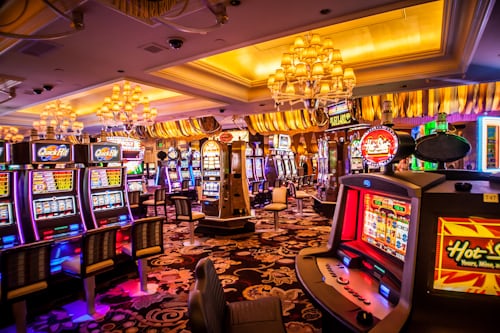
Exploring Mafia Casino’s Cultural Landscape
Mafia Casino, launched in 2025, stands as a testament to the evolving cultural influences in the world of online gambling. With a diverse range of games that incorporate various cultural themes, the platform appeals to a broad audience, enhancing user engagement. The site reflects contemporary values by offering a responsible gaming environment, emphasizing player welfare while still delivering exciting experiences.
The incorporation of localized content, such as language options and region-specific promotions, allows Mafia Casino to connect with players on a deeper level. This strategy not only respects cultural differences but also caters to specific player preferences, fostering a sense of community among users. The 100% welcome bonus of up to €500 exemplifies how the platform seeks to attract and retain loyal players by blending global gambling trends with localized marketing strategies.
As gambling continues to evolve, platforms like Mafia Casino demonstrate how cultural influences shape online gaming experiences. By understanding and adapting to the diverse backgrounds of players, the platform positions itself as a leader in the modern gambling landscape, showcasing the importance of cultural sensitivity and innovation in attracting a global audience. Through ongoing promotions and a commitment to responsible gaming, Mafia Casino is poised to shape the future of online gambling in a culturally relevant way.

Leave a reply